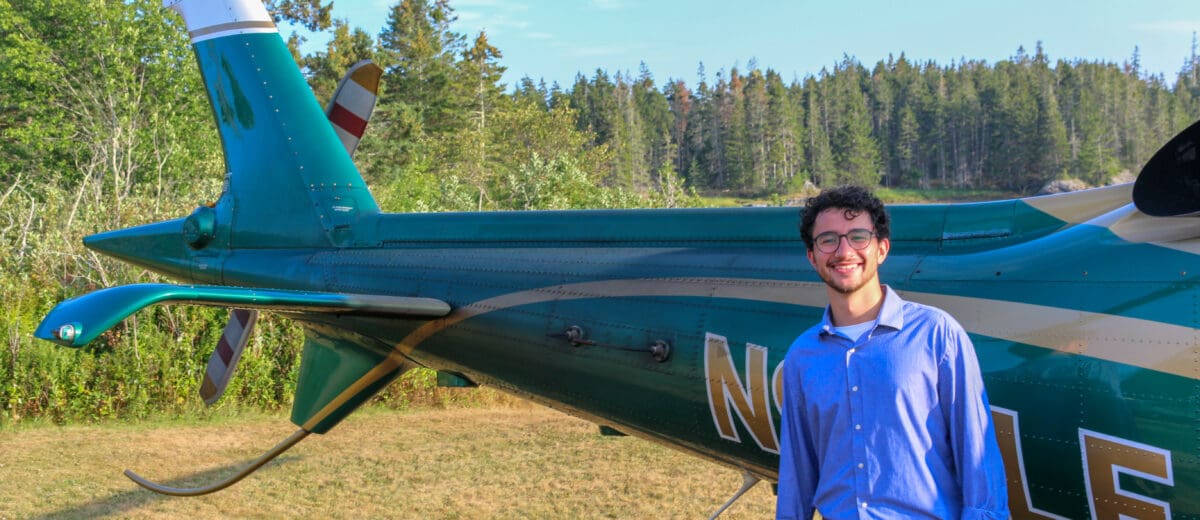
A Summer Internship with LifeFlight of Maine
By Felipe Pérez
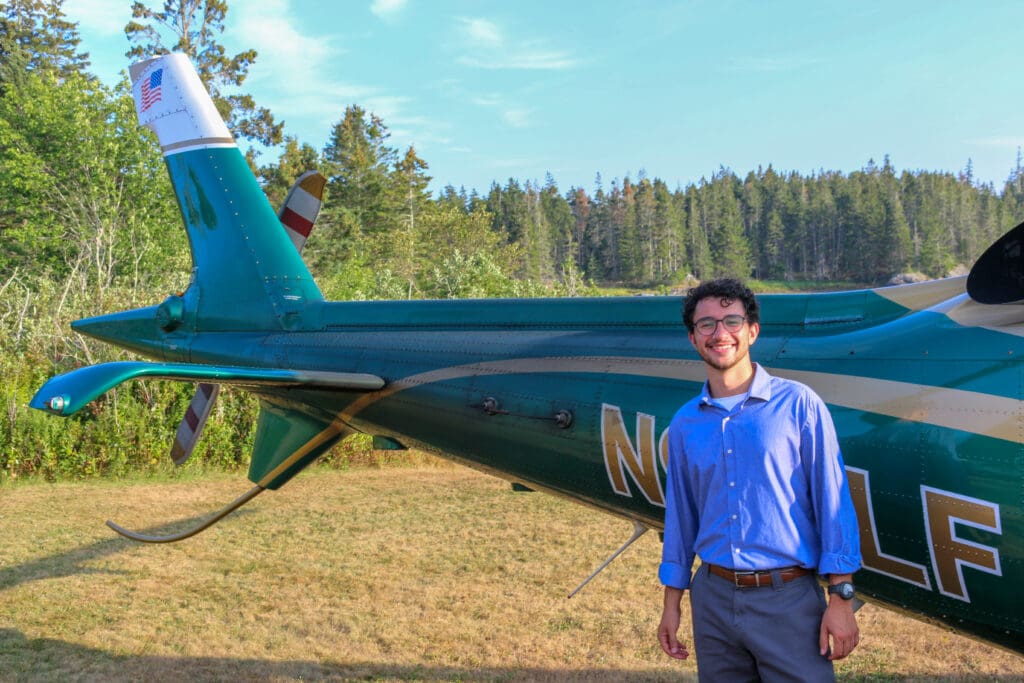
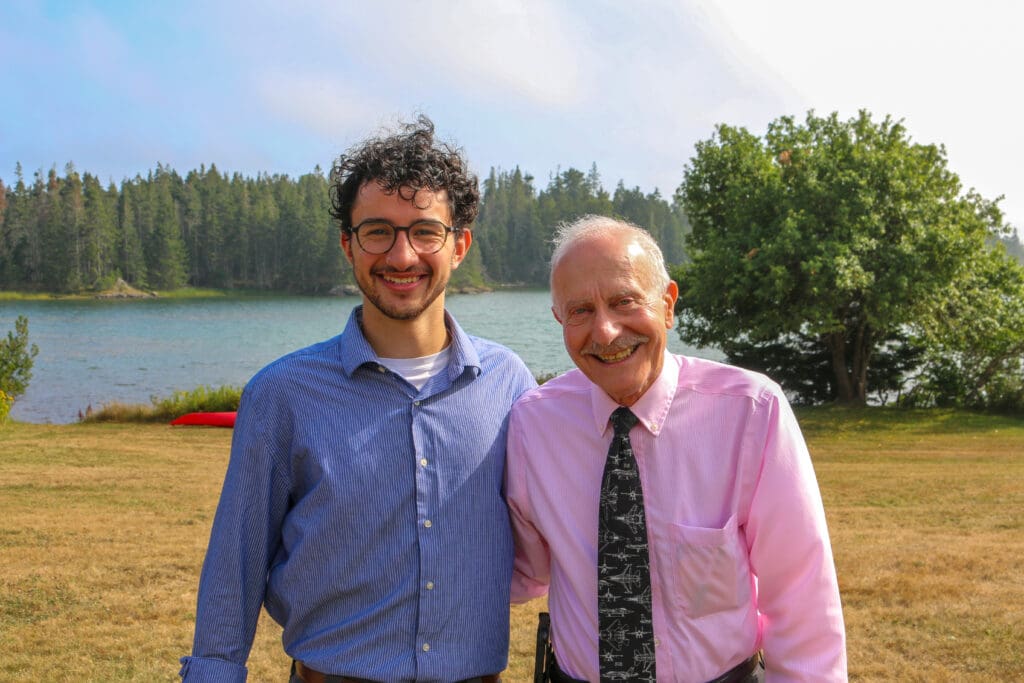
My name is Felipe Pérez, and I recently had the opportunity to join LifeFlight as a summer intern. I am a junior at Bowdoin College, where I am majoring in physics and biochemistry, with hopes to attend medical school after graduating. I also have experience as a 911 paramedic, training in Denver, CO, and then working in New Haven, CT, before college. This past winter, I reached out to LifeFlight Medical Director Dr. Norm Dinerman with the idea to create an internship where I could learn about the different arms of the nonprofit and how they work in unison to make its lifesaving mission possible. Weekly shifts with clinical crews, time observing at the dispatch and transfer center, and a clinical research project using LifeFlight data were just a few of the experiences which I was able to take advantage of.
My first time in a LifeFlight of Maine helicopter was in June of this year. A call came in right as I arrived for my 7 a.m. observation shift, so my introductions and change into a borrowed flight suit were a brief affair. In the helicopter, my preceptor, flight paramedic Brad Alleger, helped me buckle my helmet and connect to the intercom as the cabin began to shake and the smell of jet fuel filled the air. The sensation of lifting directly off the ground and into flight made my stomach turn over and the views of a bluebird summer day in Maine floored me. It was frightening, exhilarating, and beautiful. The empty stretcher on my right reminded me of what I had so quickly forgotten: we were on our way to pick up a patient who also had never been in a LifeFlight helicopter. They would experience this exhilaration from an entirely different perspective, and it was our team that carried the responsibility of providing them lifesaving care.
As we flew north past Mount Katahdin, I had the chance to ask the crew about their experience working for LifeFlight and about the healthcare systems in Maine. They explained that Maine’s vast and varied geography — including mountains, rivers, and islands — makes access to care especially challenging in far reaching parts of the state. Many towns are hours-long ambulance rides away from large hospitals, and small community hospitals are often under-equipped to take care of the sickest patients. LifeFlight is the connection point which allows everyone access to major health centers no matter where they come from.
We arrived at the patient’s side in an emergency department room, where they were with their family. Wires and tubes ran from the patient to a ventilator, cardiac monitor, IV medication pumps, and more. I thought it would be impossible to bring all the complex life support with us in the helicopter. The clinical crew proved me wrong and made quick work of replacing the bulky devices with their own, designed to perform the same functions at a fraction of the size and while in the sky. As the crew turned the sea of bandages and sheets into a neat package, they spoke with the patient’s care team and made changes to the medication dosing and ventilator, tuning them to match the patient’s present needs. With all the family’s questions answered and life support devices tactfully stowed at the side of the stretcher, we took off and made our way to Northern Light Eastern Maine Medical Center in Bangor, where the patient was received in the ICU.
“One of the best parts of the internship was the huge variety of opportunities I had available to me. On any given day I could be flying with the crews, participating in critical care classes, observing at the MedComm dispatch center, or working with LifeFlight data on my research project. This broad range of experiences gave me a profound appreciation for all of the essential components of LifeFlight’s work.”
~Felipe Pérez, Junior at Bowdoin College & LifeFlight Summer 2025 Intern
Throughout my internship, I found that LifeFlight’s dedication to serving everyone in Maine is palpable at every level of the organization. There is so much work both in the field and behind the scenes which make critical care medical transport possible. From the providers to the aviation team to the LifeFlight Foundation staff, there is a certain pride that every LifeFlight employee takes in the work they do. They know LifeFlight gives patients in Maine facing critical illness or injury their best chance on their worst day. This profound responsibility continues to drive LifeFlight of Maine to be a national leader in critical care air medical transport.