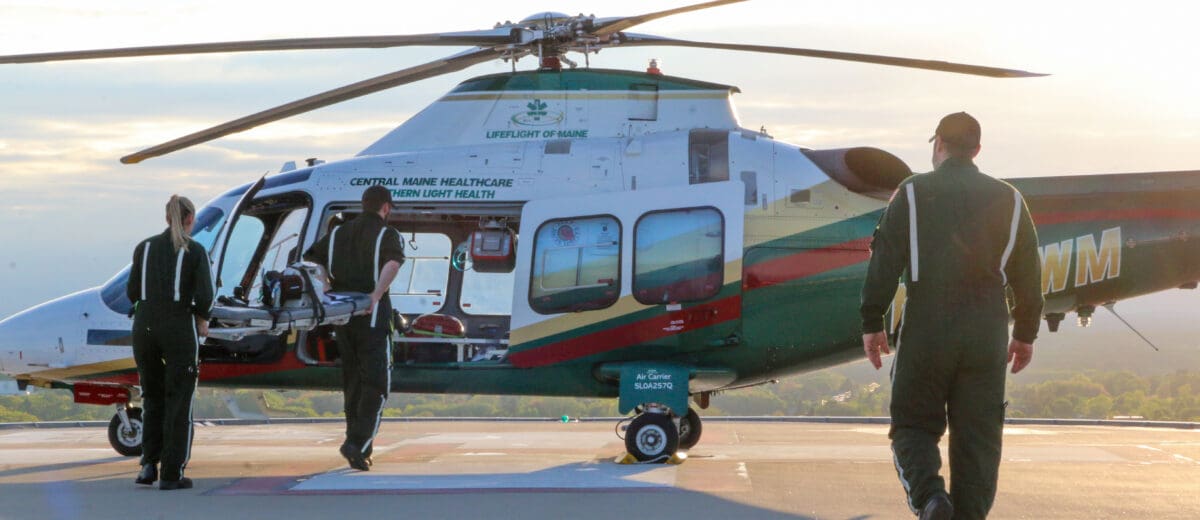
LifeFlight of Maine Raises Awareness About Drone Safety
LifeFlight of Maine is raising awareness about consumer drone safety and the hazards this technology poses to manned aircraft, and in particular air ambulance services. LifeFlight urges drone operators flying those new drones they got during the holiday season to know the rules and exercise caution and common sense as they enter the world of aviation.
Under Federal Aviation Administration (FAA) regulations, all unmanned aircraft systems (UAS) — i.e. drones — must yield right-of-way to any manned aircraft. That means that it is the responsibility of the drone operator to be aware of aircraft within their area of operation and keep their drone far away.
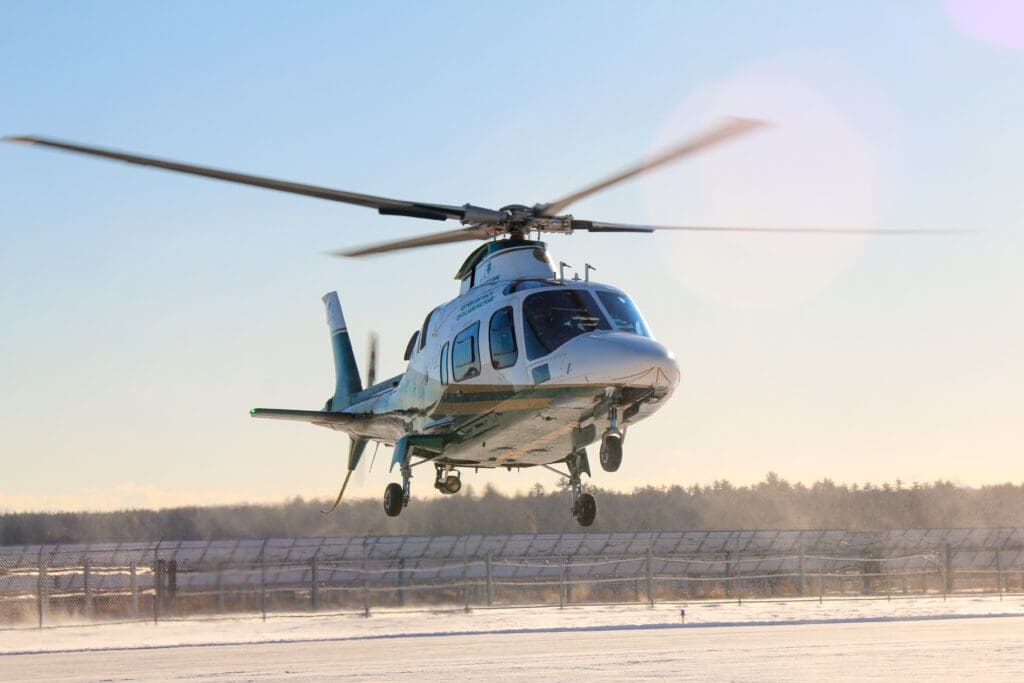
Drones, even small ones, pose a potentially catastrophic hazard to aviation operations. A drone hitting the rotor system of a LifeFlight helicopter, for example, could cause the aircraft to crash. At a cruising speed of about 165mph, it is difficult for a LifeFlight pilot to see and react to a drone in its airspace. A collision between a drone and a manned aircraft can lead to fatalities.
The FAA estimates that there are more than 1.8 million recreational drones across the United States. It also receives more than 100 reports each month from pilots who encounter a drone in their airspace, with more than 19,000 sightings reported in the past decade. LifeFlight of Maine crews have had close encounters with drones at all three of Maine’s major medical centers in the past year. These incidents are reported to local law enforcement and to the FAA, and the consequences faced by the drone operator can be significant.
“Drones pose a serious hazard to our flight operations, and aviators in general,” said Mike Bonenfant, a LifeFlight helicopter pilot and safety coordinator. “The risk is real and the consequences are serious. These small toys could kill someone. We want people to enjoy their holiday gifts, but we also want them to be aware of the responsibility that comes with becoming an aviator. Know the rules. Follow the rules. Use common sense. And everyone will go home at the end of the day.”
There are numerous reports of aircraft colliding with drones. For example, in early 2025 a hobby drone weighing less than a pound collided midair with a firefighting airplane responding to the Palisades Fire in Los Angeles. The drone significantly damaged the wing of the airplane, rendering the aircraft inoperable and unable to continue to assist firefighting efforts.
“People expect aircraft to fly at low altitudes around airports,” said Veronica Marzonie, a flight nurse and safety coordinator with LifeFlight. “They don’t think of hospitals or emergency scenes in the same way, but at LifeFlight we transport an average of eight patients each day. That means we are constantly taking off and landing from Maine hospitals in high-stress situations with patients who are very ill. Drones pose a deadly risk to everyone onboard.”
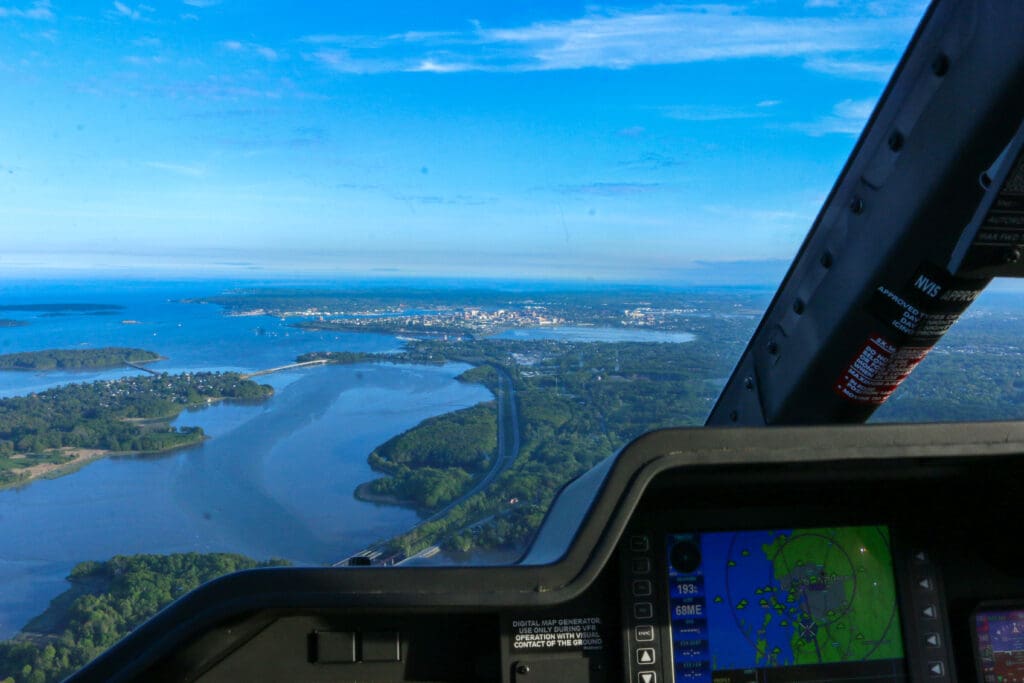
“We’ve had a near occurrence at each of our tertiary hospitals (Northern Light Eastern Maine Medical Center in Bangor, Central Maine Medical Center in Lewiston, and Maine Medical Center in Portland) which we are often arriving or departing multiple times every day,” said Marzonie. “These were not simply sightings from hospital property but drones in the immediate vicinity and sometimes directly over the helipad. In 2025, for example, we encountered a drone flying in proximity to the Maine Medical Center helipad, which the flight crew spotted while our aircraft was landing. This instance was further worrisome as this is a violation of a FAA regulation of ‘no drone activity within five nautical miles of an airport.'”