Cal Harrington’s LifeFlight Story
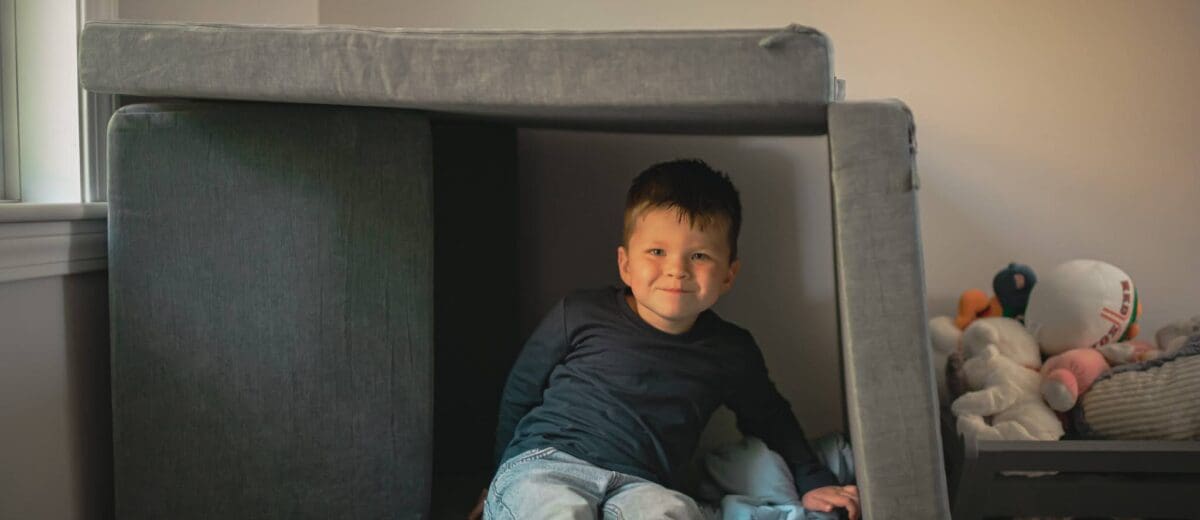
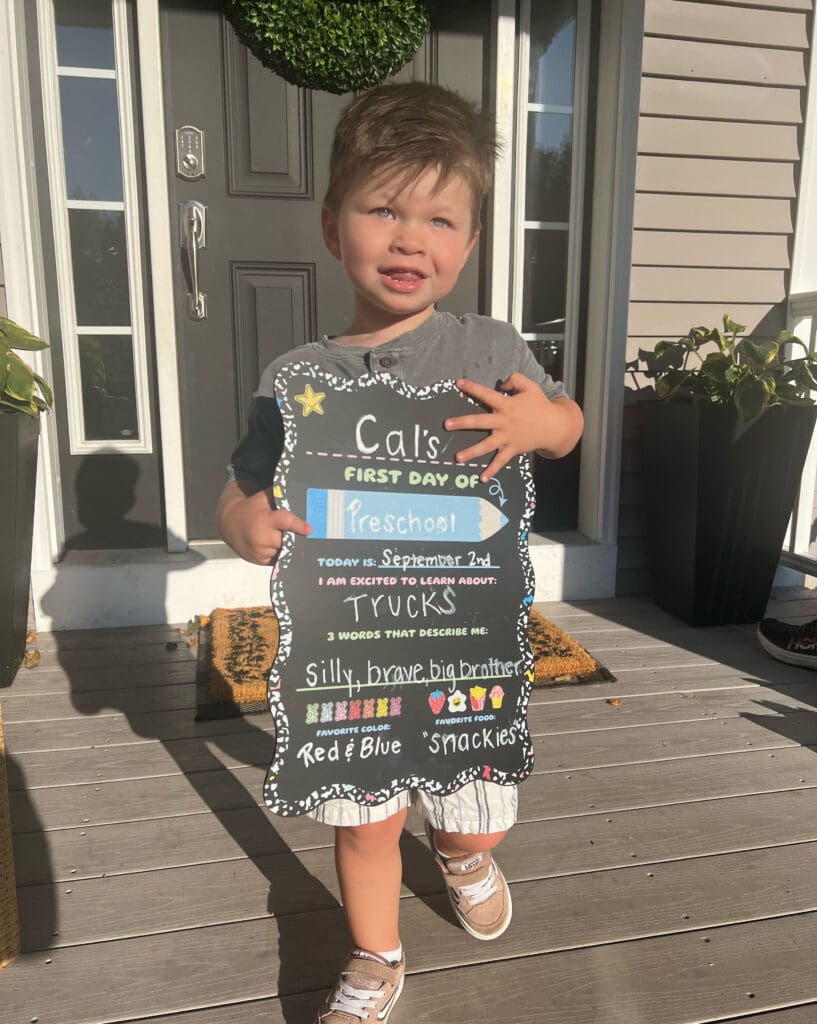
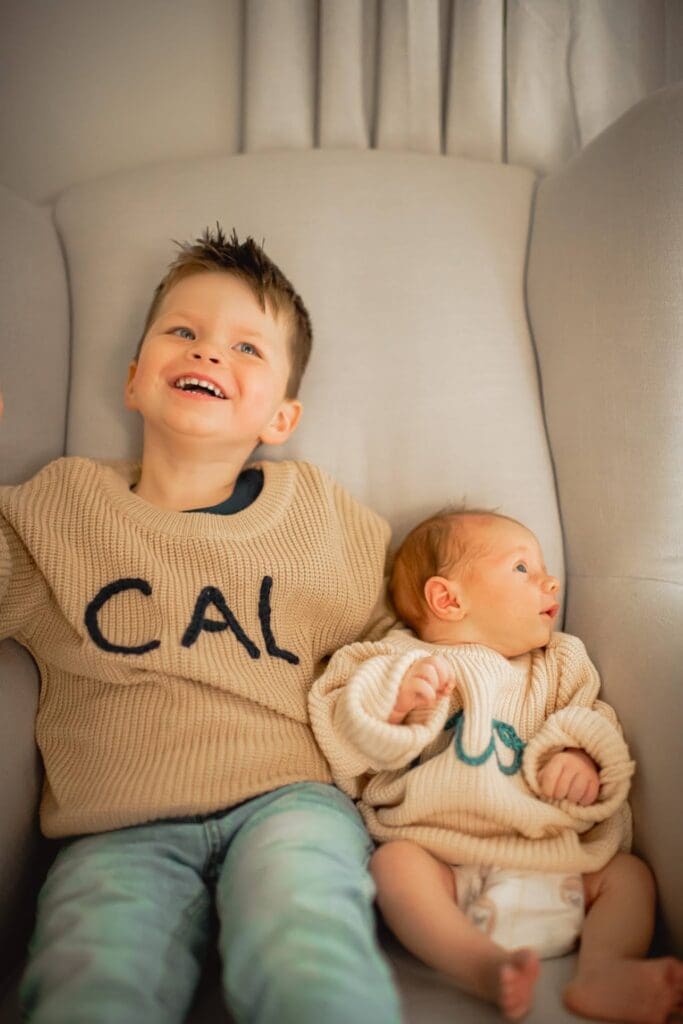
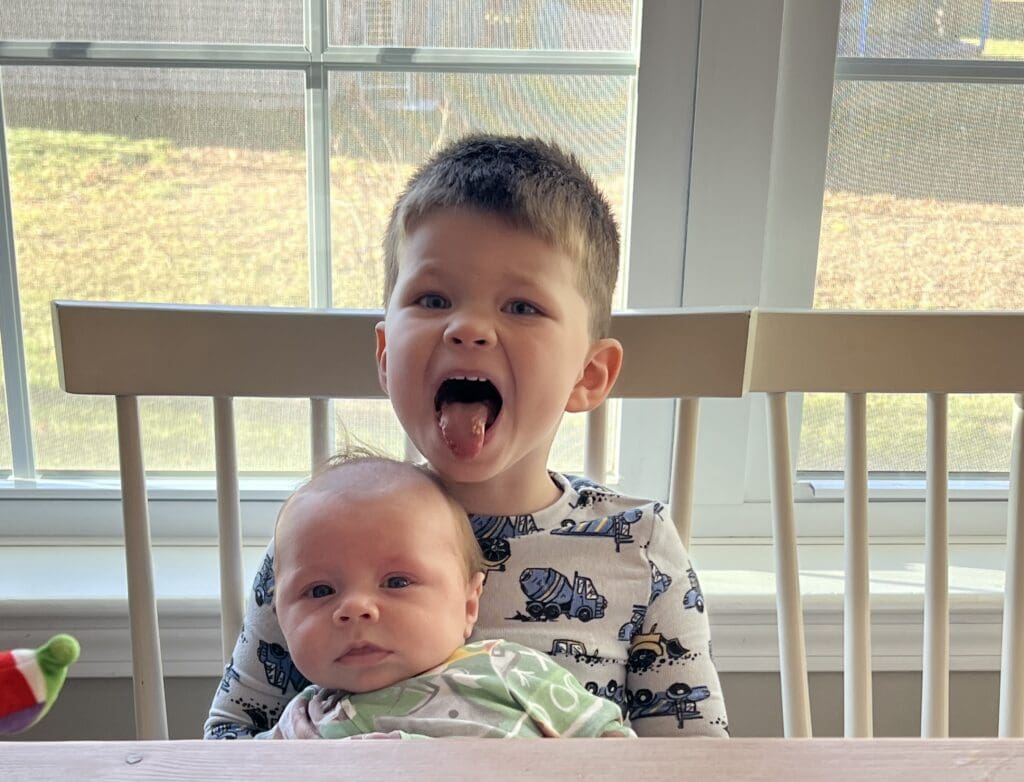
To most people, Cal Harrington seems to be your typical toddler. He enjoys playing with trucks and building pillow forts at his house. He’s recently stepped into the role of big brother and helps his mom and dad give the baby a bottle — just don’t ask him to change a diaper. His favorite food is “snackies” and he loves going to pre-school.
“He is wild, but he is so much fun,” shared his mother Lindsay Harrington in a recent conversation. From the outside, you would never know the two-and-a-half-year-old lives with a rare, life-threatening heart condition that requires medication every eight hours and frequent visits with an electrophysiologist.
Cal’s heart abnormality was first discovered in May of 2025. Lindsay said that Cal, who was two years old at the time, was in his crib at their home in Saco. He was not feeling well, so Lindsay changed him and put him back to bed.
“I went upstairs again, and he was gray in his crib. Limp,” remembered Lindsay, who is a nurse in the postpartum unit at MaineHealth Maine Medical Center in Portland. She said she’d seen babies go gray before and knew Cal needed emergency care. She and her husband Ryan called 911, and an ambulance arrived at their home.
EMS providers in Saco loaded Cal into the back of the ambulance. Lindsay was allowed to be with him as they checked his oxygen levels and heart rate. That’s when providers discovered the toddler was experiencing ventricular tachycardia, also known as V-tach. The irregular heart rhythm can be fatal if not treated.
“They looked at me and they said, ‘you have to go to the front.’ They shocked him eleven times,” said Lindsay.
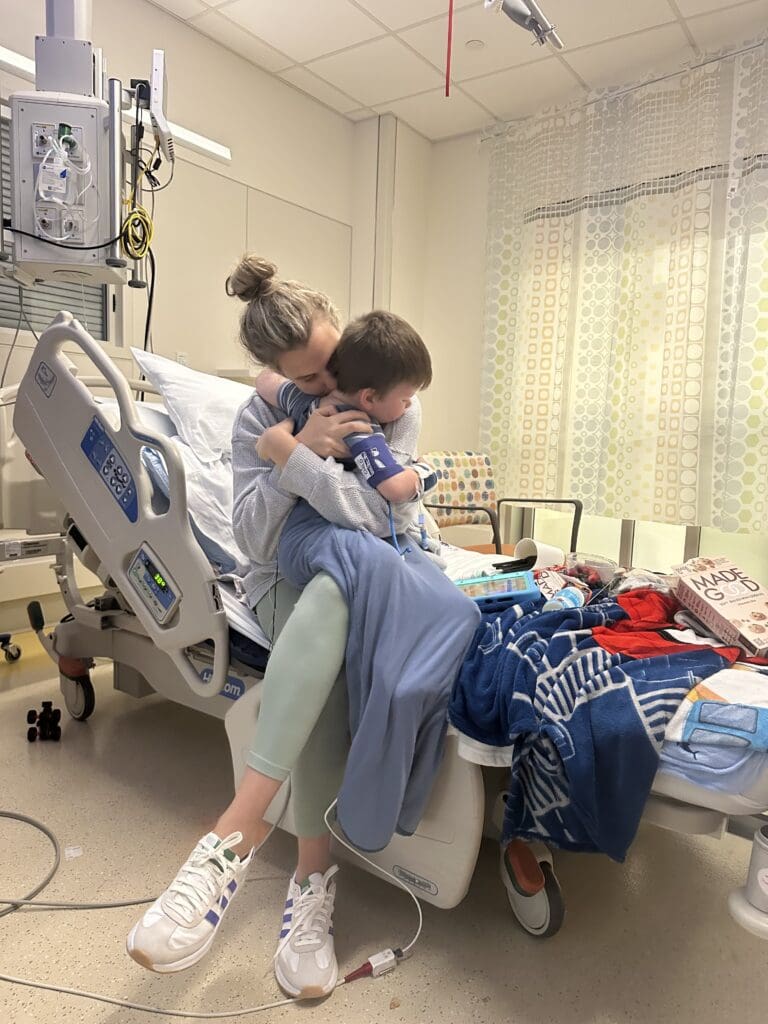
Cal was rushed to the Pediatric Intensive Care Unit (PICU) at Maine Med where clinicians worked to get his heart out of the dangerous rhythm. He was then put on cardiac drips. Lindsay said her son soon began to look better — he wasn’t gray anymore — but his heart was still beating irregularly.
Cal’s care team arranged for LifeFlight of Maine to transport him to Boston Children’s Hospital. The toddler needed to see an electrophysiologist and to receive a stronger medication than was available at Maine Med.
The weather that day grounded LifeFlight’s helicopters, so a crew based in Sanford started the drive to Portland in a LifeFlight ambulance. Around midnight, the ambulance with flight nurse Casey Farrar, flight paramedic Geoff Greenlaw, and CCT Vehicle Operator Diana Bors arrived at the hospital to transport Cal.
“They tried to get Cal to lay on the stretcher, but he just absolutely wasn’t having it,” remembered Lindsay. “So, they let me come back with him on the ambulance, which was very nice.”
During the ninety-minute ride, LifeFlight clinicians continued to administer cardiac drips and monitor Cal’s heart rhythms. Lindsay, who was pregnant with her second child and hadn’t slept in more than a day due to the stress of the situation, took comfort in the fact that Cal’s nurse, Casey, was also the mother of a young child. She knew her son was in the best possible hands for the drive to Boston.
“For the first time since we had been in the hospital, I was able to fall asleep,” said Lindsay. “I just was calm. It was still extremely stressful, but I knew she was watching him,” Lindsay said of Casey, tearing up at the memory. “This girl has got it. She’s a mom. She’s an amazing nurse.”
LifeFlight’s ambulances are equipped as mobile ICUs, allowing clinicians to continue the care patients receive in the hospital while they are on the road. LifeFlight Critical Care Vehicle Operators, all of whom are certified EMTs, drive the ambulances while the clinicians care for the patient.
“From the minute they walked in at Maine Med and the minute they left at Children’s, not only were they caring for Cal, but they were caring for me, too,” said Linsday. “They were amazing.”
When the ambulance arrived in Boston, Cal was taken to the ICU, where he spent eight days. “They discovered he has some form of V-tach, and he requires medication every eight hours. So, we wake him up every night at midnight to give him medication,” said Lindsay.
Today, Cal has a heart monitor that reads his heart’s rhythms and reports back to his doctors in Boston. Every month, he visits an electrophysiologist who travels to Maine Med.
“He has just absolutely crushed it. He’s doing great,” said Lindsay. “He’s really proud of himself. He takes his medicine without any issues.”
Every day, Cal continues to get stronger. He hasn’t gone back into V-tach since leaving Boston Children’s Hospital, but Lindsay says it is hard to tell if he will grow out of the heart abnormality. For now, Cal will continue to thrive and be his silly self, under the watchful eye of his doctors. When he gets older, likely around ten, doctors will decide if he needs to undergo a heart ablation, a procedure that could correct Cal’s heart abnormality.
Today, Lindsay and her husband, Ryan, are living life in the moment and enjoying their time as a new family of four. They are comforted in knowing that should Cal ever fall back into V-tach and need an emergency transport, LifeFlight will be there. “I’m just extremely, extremely grateful,” said Lindsay.
You make stories like Cal’s possible.
For patients to get the best of our caregivers, our caregivers need to be at their best. We have made important investments in supporting the LifeFlight crew, so they are ready to care for some of Maine’s most critically ill and injured patients each day they show up for work. We could not be more grateful for the ways you have supported our team!
The most important, powerful, and valuable asset that we have is our people, and we have an incredible team at LifeFlight. Removing the stigma and improving access to behavioral health services for the healthcare workforce can improve both mental and physical health. These are the keys to building resilience and supporting a healthy workforce.
Created in the summer of 2024, the LifeFlight Elevate Program includes: a full- time therapist on staff, available to any member of the team at no cost; a uniquely designed Peer Support Program; an expansion of the employee assistance program; a fund for employees to purchase wellness wearables to track stress, fatigue, and promote recovery.
Support for this program is multi-dimensional — caring for the caregivers, and by extension, their families, will enable them to be at their best, ready and able to answer the call for help. Thank you for investing in the wellbeing of our caregivers and colleagues!